-
Aristotele -
Ippocrate -
Paracelso -
Leonardo da Vinci -
Michelangelo -
Claude Sigaud -
Louis Corman -
Galeno -
Paul Ekmann -
Franz Frederick Anton Mesmer
What is morphophysiognomy?

Upon careful analysis, the study of morphology (from the Greek morphé forma and lògos studio) and physiognomy (from the Greek physis natura and gnosis knowledge) of man reveals an equally indissoluble link between his thought form (mind ) and the shape of its matter (body). The mind shapes the body and the body shapes the mind


The study of the correlation between lines and thought has undoubtedly demonstrated the existence of a correspondence, the same mindset leaves the same identical traces on different people of each race. For example, a determined and active person tends to have a square shape while an indecisive and passive person tends to have a rounded shape. If a flying thought creates a crease on the face, the same thought repeated over time is imprinted on the person's flesh as if it were on paper and creates an expression. And, just as if it were paper from a book, at that point you can read his story, his biography, both mental and biological.

Valuable tool to be integrated for all those who want to improve the relationship with themselves and with others , useful for those who interact with the human factor, not only experts in psychological profiles, politicians, police forces, doctors , therapists, teachers or aid or human resource management professionals, but also traders, entrepreneurs, managers, freelancers, artists and sportsmen.
Publications
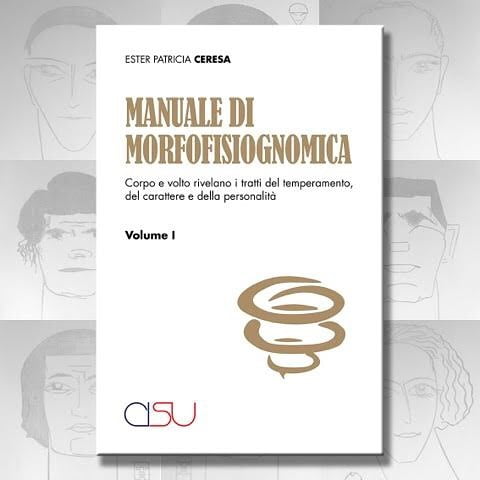
Manual of Morphophysiognomics - Italian edition